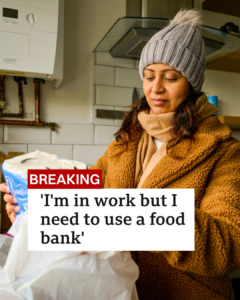
Foodbanks across the UK are reporting sustained high levels of demand as households continue to feel the impact of rising living costs, housing pressures and energy bills.
New data released this winter shows that many foodbanks remain busier than pre-pandemic levels, with working families, pensioners and people in insecure employment among those most frequently seeking support. Volunteers say they are seeing more first-time users who have never previously needed emergency food parcels.
The Trussell Trust and independent foodbanks alike have highlighted a growing number of referrals linked to delays in benefit payments, rising private rents and unexpected bills. While inflation has eased compared to its peak, many families say their budgets have not recovered, particularly where wages have failed to keep pace with long-term cost increases.
Charities are calling for longer-term solutions to reduce reliance on emergency food aid, including improvements to social security adequacy and more affordable housing options. At the same time, foodbanks continue to rely heavily on community donations and supermarket collection drives to maintain supplies.
Local organisers say community generosity remains strong, but donations fluctuate – and certain staple items such as tinned meat, long-life milk and toiletries are often in short supply.
As winter transitions into spring, foodbank networks are urging continued public support while policymakers debate broader measures to tackle food insecurity across the UK.